• About

Education and Action

~ Improving Financial Literacy and Teaching Wealth Building Principles

Education and Action

Category Archives: Assets

Lesson #13 – This week’s recap!

02 Sunday Feb 2014

Posted by kenyasykes in Assets

≈ Leave a comment

Every Sunday, we will recap the lessons of the week. Before we do that, I would like to thank each of you for your desire to learn and to implement this financial information into your lives and into the lives of the people that you love. We are sowing seeds and expecting a great harvest to reap.

We are still in Step One or Phase One of the building wealth continuum – Creating/Developing Assets. We will continue discussing other aspects of this phase in the week to come, but for now, let’s recap what we learned this week.

Education:

Monday, January 27, 2014
Lesson #7 – Vision Setting

Tuesday, January 28, 2014
Lesson #8 – Exploring Savings Alternatives

Wednesday, January 29, 2014
Lesson #9 – The asset you sleep in!

Thursday, January 30, 2014
Lesson #10 – Is you HOUSE underwater?

Friday, January 31, 2014
Lesson #11 – Should I rent or buy?

Saturday, February 1, 2014
Lesson #12 – Let’s play Financial Football to test your financial knowledge.

Action Step: To cheer on Peyton Manning and the Denver Broncos. Go Broncos!

Lesson #11– Building wealth – Step 1: Create/Develop Assets – Should I rent or buy?

31 Friday Jan 2014

Posted by kenyasykes in Assets

≈ Leave a comment

To RENT, or to OWN, that is the question—

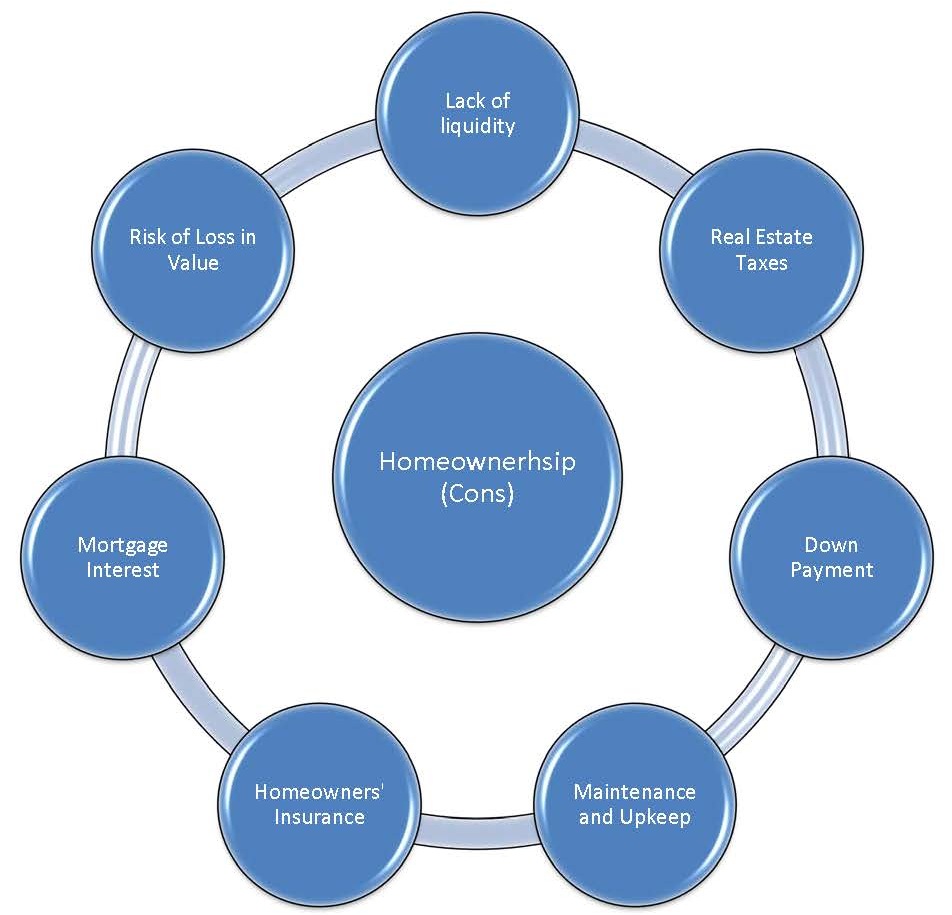
In Lesson #10, we focused on the homeowner, but what about the people who are trying to decide if homeownership is for them?  Personally, I believe that a home provides more wealth that can be enumerated; however, it is NOT required to be wealthy.  There is no place where this is more truthful, than in New York City where many wealthy people still rent.  If this sounds like a setup, then let me assure you that it is not.  Buying a home may not be the best option for everyone and the truth is that it may ‘not’ save you money, it may ‘not’ be a factor for wealth creation, it may ‘not’ offer the best rate of return, and so on.  It is important that you understand the cons of homeownership as much as the pros.

Education:

A house can be a wonderful thing and in the last two lessons, we discussed the upside (pros) of homeownership, but there is also a downside.    The diagram below depicts some of the additional burdens that come with homeownership.

 photo

Hands down, the absolute best explanation that I have seen on this topic comes from Khan Academy.  Please take a moment to view this video because Khan will totally change the way that you think about the rent versus buy conundrum.

Resources: 

Khan Academy  – Not-for-profit with the goal of changing education for the better by providing a free world-class education for anyone anywhere.

Important terms from this lesson:

Term

Definition

Lack of Liquidity The inability to convert an asset to cash, if needed to take advantage of an alternative investment strategy or if cash is just needed.

 Action Step:       Click and Complete!

Go to http://www.kmsykescpa.com/calc-section.php?calc=hom06)

Complete the worksheet to help determine which makes sense for you at this time – to RENT or to BUY.

Lesson #10– Building wealth – Step 1: Create/Develop Assets – Is you HOUSE underwater?

30 Thursday Jan 2014

Posted by kenyasykes in Assets

≈ Leave a comment

After yesterday’s lesson, I received the following comment and question.

Comment:  I know the depreciation due to the horrid market. That now investment property is a loss.
Question:  How do we mitigate the risk if our numbers are bad?

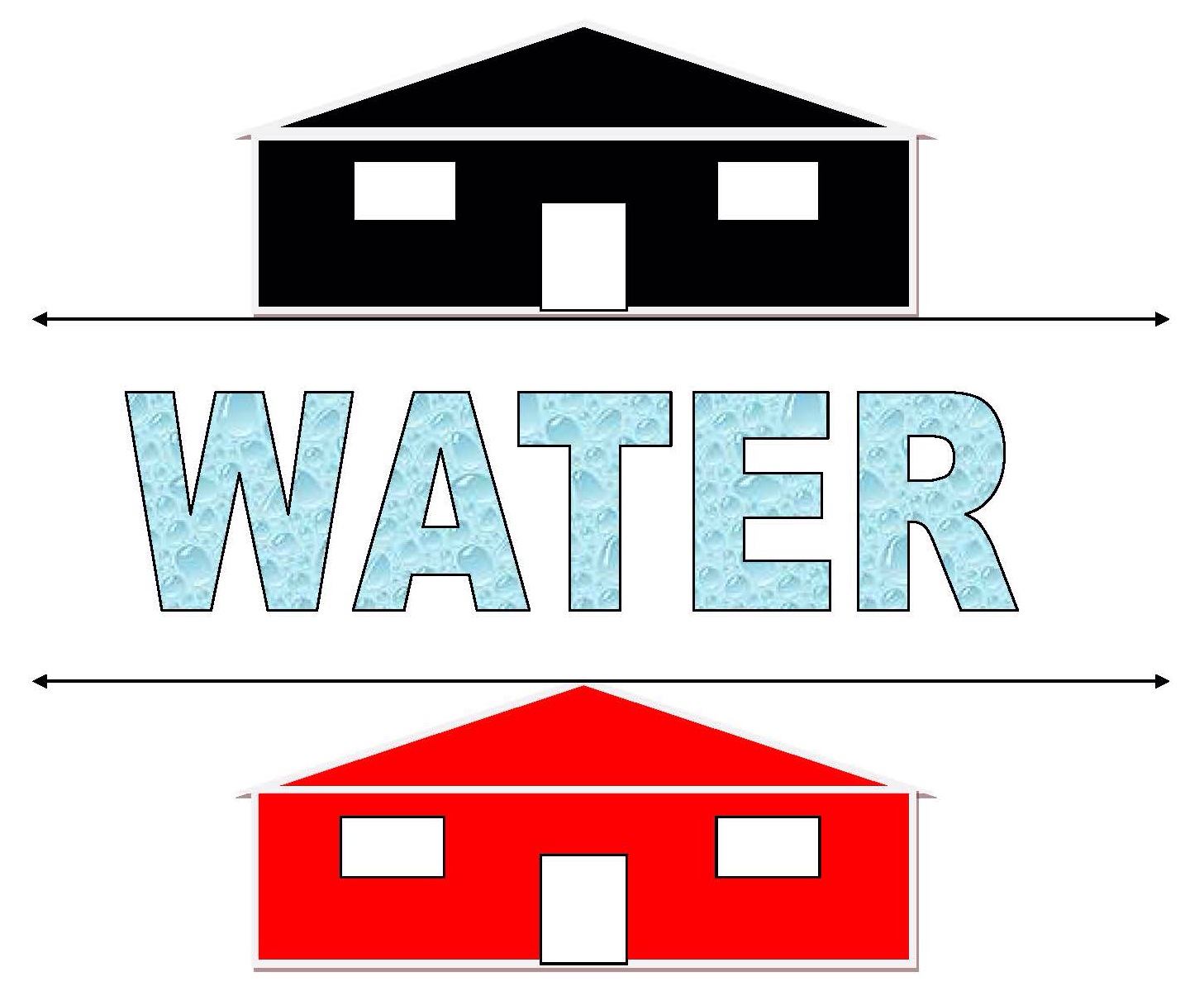
Are you Underwater? 

 HOUSES

The black house is a house of equity (possibilities), the red house is house of decisions (risk mitigation).  In the black house, that is what we call ,“being in the black” and your equity gives you additional flexibility like “refinancing”.  The red house is self-explanatory and although I love the color red, it’s never good when it comes to “being in the red” on your home.

Education:

Yesterday, we spoke about the equity and appreciation in your home, but after the housing crash of 2008, this may no longer apply to you.  The truth is that the economic crisis left many homeowners “underwater”, a condition which results when the amount that you owe on your  home (mortgage) is greater than the fair market value of your home.  That is just a fancy way of saying that even if you sold your home,  you would still owe money to the bank.  What?  Yes, you could give up your home and still owe money on it. What?  Yes, it’s true, but there are ways to mitigate this if you understand the strategies available to you.  Let’s call this the Underwater Mitigation Strategy (UMS).  First let me say that this is nothing to be embarrassed about because this affected millions of homeowners, some who have had to make tough decisions.  To determine the best UMS for you, let’s review the chart below.

Strategy

Pros

Cons

Tax Consequences

Stay and Hold

You keep the house (shelter) and wait to see if the value rebounds. An increase in value can restore your equity. This delays the UMS. You may never recover your lost equity, you are paying for something which lacks value, refinancing usually is not available until equity is restored. None

Loan Modification

The lender helps you stay in your home. Government offers programs to assist you like the Home Affordable Modification Program (HAMP) Requires approval and the lender may not be willing to work with you. None for now

Refinance

Same as Loan Modification May not be a good option for homeowners with negative equity.  

Sell or short sale (no bank approval)

Get rid of the cause of your stress. You must find a new place to live; you still owe money to the bank (difference between what you received on the home and the mortgage); May trigger COD; Negative affect to your credit COD Income MAY result in a tax bill in the worst possible time (income without cash)

Walk away (deed in lieu)

Get rid of the cause of your stress by giving the house back to the bank, but you walk away owing nothing else. You must find a new place to live; Requires bank or lender approval which is hard to get; No real impact on credit None

Foreclosure

You get to stay in the house during the foreclosure process. You must find a new place to live; you still owe money to the bank (difference between what you received on the home and the mortgage); May trigger COD; Negative affect to your credit COD Income MAY result in a tax bill in the worst possible time (income without cash)

Bankruptcy

You may be able to stay in your home.  Gives you additional time to make a decision. Won’t erase mortgage debt;  may eliminate other debts which will allow you to afford your mortgage; None for now


Resources: 

Makinghomeafforable.gov – The Making Home Affordable Program  (MHA) ® is a critical part of the Obama Administration’s broad strategy to help homeowners avoid foreclosure, stabilize the country’s housing market, and improve the nation’s economy.

 Important terms from this lesson:

Term

Definition

Underwater Mortgage or Negative Equity Mortgage balance exceeds the current market value of the loan.
Short Sale Selling the home for less than then the mortgage balance.
Deed in Lieu Strategy which allows you (upon approval) to simply give the home (deed) back to the lender and walk away fairly unscathed.
Cancellation of Debt (COD) Income Phantom, but potentially taxable income which results when you sell the home for less than the mortgage.  The difference between the mortgage balance and the amount received on the short sale OR for foreclosures, the entire unpaid mortgage.

 Action Step:       Find out if you are underwater.

Before you can address it, you must first diagnosis it.  Pull up yesterday’s worksheet on Equity and Appreciation.  Drop in your numbers to determine if you are underwater.  If you are, then go through the UMS chart and determine which option or options may be best for you.

Go to http://www.makinghomeaffordable.gov to see if you qualify for a program.

Lesson #9– Building wealth – Step 1: Create/Develop Assets – The asset you sleep in!

29 Wednesday Jan 2014

Posted by kenyasykes in Assets

≈ Leave a comment

Let’s take a quiz!

What do the following three songs have in common?

1. Brick House

2. Love is a House

3. A House is not a Home

Did you figure it out?

They all reference the asset that is the epitome and cornerstone of wealth building, the home.  The three little pigs huffed and puffed about it, Dorothy clicked her heels to get back to it, Diana thought of home and so should you!  A house is a magical thing because it has triple purpose.  You can live in it, you can make money with it or you can use it to cease new opportunities in other areas of your life.

When you examine the net worth of wealthy individuals, they generally share one thing – they all own real estate or real property.  There is that word again, OWN.  Unless you live in New York, LA, San Francisco or some other city where home prices are ungodly, wealthy people do not rent because as we learned in the last lesson, your money should work while you sleep.  What is a better illustration of money working while you sleep than in a house?   A home can be a house, condominium, cooperative apartment (prevalent in urban areas like NY), or investment property.  Speaking of wealthy people, here is a picture of the house Tyler Perry purchased for $7.6 million dollars that I add to inspire you.

 Dean-Gardens-Hooked

A home falls into a category of assets called ‘real estate’, which is property consisting of lands, buildings, mineral rights, and the like.  This lesson and the next will be dedicated to discussing this asset because you should either be a homeowner now or a future homeowner.

How do I make money with a house?  I am glad you asked.  Here is how.

  1. Appreciation
  2. Equity

Homes generally appreciate.  That simply means that the value of the property increases while you live in it.  To illustrate how appreciation works, if you purchase a house for $100,000 and then someone comes to you and offers to pay you $120,000 for your house, the difference is appreciation.  In that case, you made a cool 20% profit simply from appreciation. That is new money or new wealth that you created.   We will continue discussing real estate in Lesson #10.

Resources:

  1. Zillow.com                  – Online real estate database.

Important terms from this lesson:

Term

Definition

Real Estate or Real Property Property consisting of lands, buildings, mineral rights and the like.
Appreciation The difference between your original purchase price and the fair market value of the home.
Equity Your investment or ownership in the home.  The portion that is not subject to mortgage…you own it outright.
Fair Market Value (FMV) The price that you receive if you sold your home TODAY. The price that a willing, unrelated third party would pay creates its ‘fair’ market value.

Action Step:       Dual assignment based on whether you already own a home.

For Home Owners – Figure out the amount of Equity and Appreciation in your home.

  1. Equity = (Fair Market Value of Your Home Today – Your Mortgage Balance)
  2. Appreciation = (Fair Market Value of Your Home Today – Your Original Purchase Price)

You should always know this.  To find the fair market value, go to Zillow.com and type in your address.  They will give you a little guidance about what your house would sell for today.

For Future Home Owners – Find a picture of a home and put it on your Vision Board.  Then make a goal that you will purchase a home in ________ years.

Recent Posts

  • Never Stop Learning!
  • Lesson #83 – Financial Freedom Friday for Kids
  • Lesson #82 – Black CEO: Do More Than Save if You Want to Be Wealthy
  • Lesson #81 – Last-Minute Tax Tips to Maximize Your Savings (reposted from The Huffington Post)
  • Lesson #80 –Can Paying Your Taxes Late Affect Your Credit Score? (reposted from The Huffington Post)

Recent Comments

kenyasykes's avatarkenyasykes on Lesson #26 – Encouragement…
kenyasykes's avatarkenyasykes on Lesson #52 – The Flipside : 10…
Unknown's avatarLesson #52 – The Fli… on Lesson #52 – The Flipside : 10…
TheKnowledgeofWords's avatarcocolaelle on Lesson #26 – Encouragement…

Archives

  • September 2014
  • May 2014
  • April 2014
  • March 2014
  • February 2014
  • January 2014

Categories

  • Assets
  • Basic Personal Finance
  • Encouragement
  • Kids' Money
  • Uncategorized

Meta

  • Create account
  • Log in
  • Entries feed
  • Comments feed
  • WordPress.com

Enter your email address to follow this blog and receive notifications of new posts by email.

Join 22 other subscribers

Recent Posts

  • Never Stop Learning!
  • Lesson #83 – Financial Freedom Friday for Kids
  • Lesson #82 – Black CEO: Do More Than Save if You Want to Be Wealthy
  • Lesson #81 – Last-Minute Tax Tips to Maximize Your Savings (reposted from The Huffington Post)
  • Lesson #80 –Can Paying Your Taxes Late Affect Your Credit Score? (reposted from The Huffington Post)

Recent Comments

kenyasykes's avatarkenyasykes on Lesson #26 – Encouragement…
kenyasykes's avatarkenyasykes on Lesson #52 – The Flipside : 10…
Unknown's avatarLesson #52 – The Fli… on Lesson #52 – The Flipside : 10…
TheKnowledgeofWords's avatarcocolaelle on Lesson #26 – Encouragement…

Archives

  • September 2014
  • May 2014
  • April 2014
  • March 2014
  • February 2014
  • January 2014

Categories

  • Assets
  • Basic Personal Finance
  • Encouragement
  • Kids' Money
  • Uncategorized

Meta

  • Create account
  • Log in
  • Entries feed
  • Comments feed
  • WordPress.com

Facebook

Facebook

Create a free website or blog at WordPress.com.

Privacy & Cookies: This site uses cookies. By continuing to use this website, you agree to their use.
To find out more, including how to control cookies, see here: Cookie Policy
  • Subscribe Subscribed
    • Education and Action
    • Already have a WordPress.com account? Log in now.
    • Education and Action
    • Subscribe Subscribed
    • Sign up
    • Log in
    • Report this content
    • View site in Reader
    • Manage subscriptions
    • Collapse this bar
 

Loading Comments...