• About

Education and Action

~ Improving Financial Literacy and Teaching Wealth Building Principles

Education and Action

Monthly Archives: March 2014

Lesson #59 – Building wealth – Step 1: Create/Develop Assets – Business Plan: Your Roadmap to Success

20 Thursday Mar 2014

Posted by kenyasykes in Basic Personal Finance

≈ Leave a comment

“He who fails to plan, plans to fail.” images

A roadmap, or now GPS, is required to reach a new destination in your car.  Say you live in New York and you decided that you wanted to drive to California.  You would not jump into your car and just start driving because you could potentially end up in Texas.  A business plan is like roadmap.  You need to plot your journey to ensure safe passage to your desired destination.  While a spirit of fear and anxiety may strike the moment that you think about putting together a business plan, this is a very important step for aspiring business owners.

Education:

Create your yellow brick road!

 index

In today’s lesson, we will discuss the importance of a business plan for entrepeneurs.  A business plan is a formal statement of a set of business goals, the reasons they are believed attainable, and the plan for reaching those goals. It may also contain background information about the organization or team attempting to reach those goals.  Moreover, it articulates your vision by communicating how you will get from point A(where you are) to point B (where you want to be).  It forces you to formulate a strategy and to think critically through the first three to five years of business.  In addition, a business plan will help you figure out the following factors.  A business plan is part of your due diligence; it tests the vitality of your idea.

An effective business plan will contain the following information.

  1. Identify the WHY
  2. Market analysis
  3. Financial projection
  4. Trend analysis
  5. Industry information
  6. Cash flow needs
  7. Break-even point
  8. Capital expenditures (budgeting)
  9. Capital or capitalization needs
  10. Start up costs
  11. Financing needs and the cost of capital
  12. Personnel needs
  13. Location
  14. SWOT Analysis (See Lesson #58)
  15. Marketing plan
  16. Competitive Analysis

For many, the feelings of anxiety will creep in right about now, but there are great resources available to assist you.  There are companies who specialize in providing this service.  There are numerous, industry-specific templates available on the web. There are mentors who have come before you and who can provide valuable assistance (maybe an old plan that you can pull from).

Finally, your business plan should be clear and simple.  Excessive language, poor research, unrealistic projections, or an uninspired plan will not help you succeed.  Put yourself in the shoes of the reader. If you were coming to YOU with this business plan, would YOU invest in YOU?  It does not matter if you have a great idea, if you cannot communicate effectively.

Here’s a look at three apps that can help get your business plan rolling (source: Entrepreneur.com):

  1.  Enloop
  2. StratPad
  3. Business Plan Premier

Do not skip this step.

Do not be intimidated.

Do not underestimate the value of a well written business plan to your success.

Resources: 

Entrepreneur.com –  Website and magazine for today’s entrepreneur.

Important terms from this lesson:

Term

Definition

Business Plan A business plan is a formal statement of a set of business goals, the reasons they are believed attainable, and the plan for reaching those goals. It may also contain background information about the organization or team attempting to reach those goals.


Action Step:   SBA Webinar – Develop Your Business Plan with Tim Berry
http://www.youtube.com/watch?v=tEL_l7klIY8

Lesson #58 – – Building wealth – Step 1: Create/Develop Assets – How to Become A Business Owner?

19 Wednesday Mar 2014

Posted by kenyasykes in Basic Personal Finance

≈ Leave a comment

Famous-Entrepreneur-2013

There is an old cliché which states that there are two kinds of people – those who do and those who do not.  Since you are reading this lesson, it means that you are a “those who do” kind of person.  One of my favorite quotes of all time is from Thomas Edison and it goes, “Vision Without Execution is Hallucination”.  I am absolutely in love with that quote because it means that vision alone will not help you to achieve the success and wealth that you long for.  To win, you actually have to be in the game.  Today’s lesson is to teach you how to get into the game.

Education:

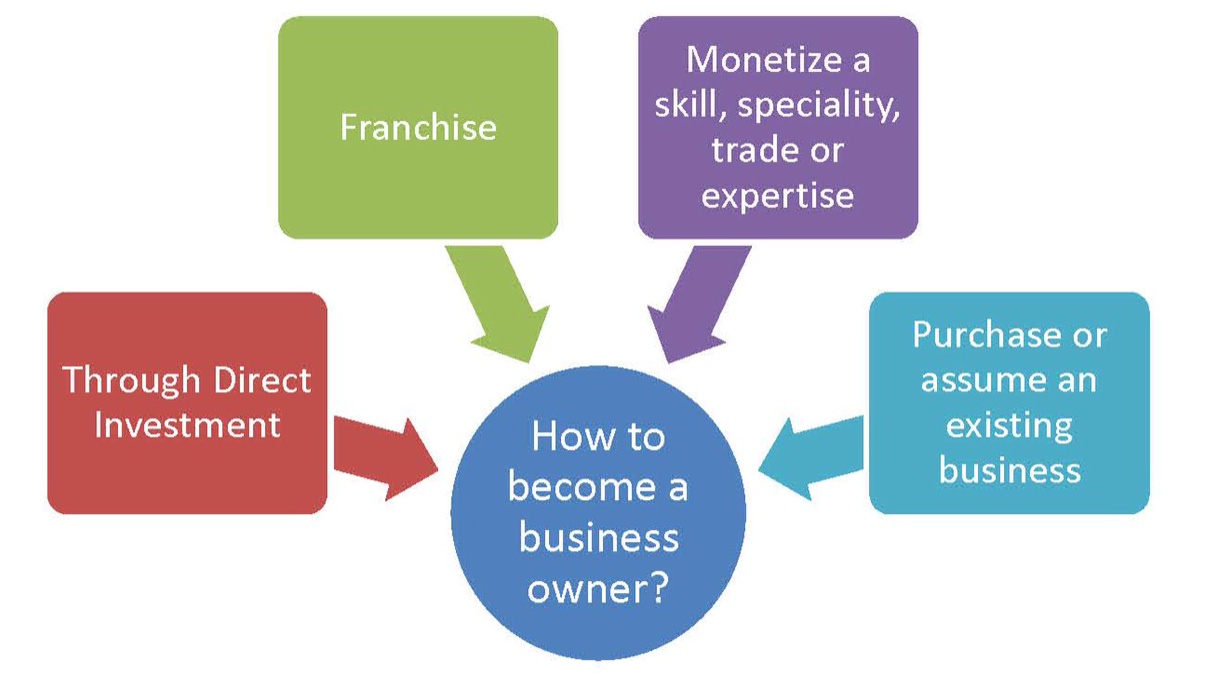
Per the following illustration, there are four paths to becoming a business owner.

1.       Direct investment (alone or through an investment group)

2.       Franchise Opportunities

3.       Monetize a unique skill, specialty, trade or expertise

4.       Purchase or assume an existing business (through cash or leverage)

photo

Either path will allow you to see your desire come to fruition.  The trick is to choose the right path, which will maximize your potential to succeed because other factors (e.g. capital availability) will play a major role in your analysis.  One way to accomplish this is by preparing a SWOT analysis on yourself.  SWOT analysis (strengths, weaknesses, opportunities, and threats analysis) is a framework for identifying and analyzing the internal and external factors that can have an impact on the viability of a project, product, place or person.

As its name states, a SWOT analysis examines four elements:

  • Strengths – internal attributes and resources that support a successful outcome.
  • Weaknesses – internal attributes resources that work against a successful outcome.
  • Opportunities – external factors the project can capitalize on or use to its advantage.
  • Threats – external factors that could jeopardize the project.

After you have completed your SWOT analysis (see Action Step below), determine which path is best for you.

Resources:

Mindtools (www.mindtools.com) – Essential Skills for an Excellent Career


Important terms from this lesson:

Term

Definition

SWOT Analysis A study undertaken by an organization to identify its internal strengths and weaknesses, as well as its external opportunities and threats.


Action Step:  Prepare a SWOT Analysis on yourself.

http://www.youtube.com/watch?v=S2GZOsemVNk

Lesson #57 – – Building wealth – Step 1: Create/Develop Assets – Information Sources for Aspiring Business Owners

18 Tuesday Mar 2014

Posted by kenyasykes in Basic Personal Finance

≈ Leave a comment

What comes first the chicken or the egg?

index

In the last lesson, we began our discussion about entrepreneurship as a path to wealth.  However, in my experience as a small business tax advisor, many people incorporate or organize a business prematurely, which can costs money, time or both.  In the last lesson, I asked you to determine if entrepreneurship is for you.  Well, what did you decide?

Education:

971701_10201777129617786_446625780_n

I saw this picture on a friend’s Facebook post and I thought that it would be perfect for today’s lesson because people tend to romanticize entrepreneurship and end up circumventing many vital steps in an effort to achieve quick success.  While I agree that a business can be a great path to wealth, it has caused many others to literally lose the shirts off their backs.  According to Bloomberg, 8 out of 10 entrepreneurs who start businesses fail within the first 18 months.  Ignore those staggering statistics at your peril.  The good news is that you can succeed.

One of the primary factors that separate a successful business from a failing business is INFORMATION.  There are so many valuable resources on the web and in your community.  Before you start a business, it is imperative that you educate yourself before jumping into the deep end.  This may mean taking a college course or seminar.  It may mean reading books on business start-ups.  It may mean finding and spending time with an experienced mentor.  It may mean seeking out a great advisor.  Do whatever is required for your particular situation, but educate yourself before attempting to start a business.  I have compiled a list of sources that provide valuable information for aspiring business owners.

  • BusinessUSA – http://business.usa.gov/
  • State Economic Development Center – check your state’s website
  • Local Economic Development Centers – check your local government’s website
  • Goldman Sachs 10,000 Women Initiative – http://www.goldmansachs.com/citizenship/10000women/index.html
  • Small Business Administration (SBA) – sba.gov

SBA Development Centers

Women’s Business Centers

Score Mentors – SCORE members are trained to serve as counselors, advisors and mentors to aspiring entrepreneurs and business owners

  • Chambers of Commerce
  • Trade and Professional Organizations
  • Khan Academy
  • Community College
  • National Federation of Independent Businesses (NFIB) – nfib.org
  • Apple iTunesU – view college lectures from great B School programs like the Duke University Center for Entrepreneurship
  • YouTube
  • American Express Open Forum (Your Business)  – https://www.americanexpress.com/us/small-business/openforum/yourbusinesstv/

Most of the organizations listed above offer free services, including seminars, training videos, financing assistance, materials and counseling.

To recap, in the last lesson we decided if entrepreneurship was right for you.  In this lesson, we identified resources to help aspiring business owners.  In the next lesson, we will discuss some of the ways to start a business.

Do not forget that INFORMATION is power!

Resources:

SBA Local Assistance (http://www.sba.gov/tools/local-assistance) – Locate resources in your home state or the states that you wish to conduct business.

Important terms from this lesson:

Term

Definition

None  


Action Step:  Click the Start a Business Wizard

Are you thinking about starting a business of your own? This wizard will guide you through aspects of starting a business and finding information you need to succeed.

Lesson #56 – – Building wealth – Step 1: Create/Develop Assets – Start a Business!

17 Monday Mar 2014

Posted by kenyasykes in Basic Personal Finance

≈ Leave a comment

Is Entrepreneurship For You?

2

Given that today is April 15th for Corporations, it made sense for today’s lesson to center around the concept of entrepreneurship and how a business can be used to create, sustain and pass wealth.  According to the book, One Minute Millionaire, there are roughly four ways to create wealth – investments, real estate, internet and business.  That’s great news for the majority of us who lack the resources for investments and real estate and the technical skill required for internet or technological creations.  No, most Americans will create wealth through sheer hard work, effort and determination, which does not require any prerequisite other than desire and will. 

Education:

While entrepreneurship may not for everyone, many will choose this path to build wealth. As a result, this week will be dedicated to discussing the merits of entrepreneurship and how creating a business can lead to wealth for you and your family.  There are many benefits to owning a business.  One of the most important aspects of business ownership is understanding that your business is a TOOL.  If used property, a business can help you achieve the following goals.

  1. Tax Shelter Tool
  2. Retirement Planning Tool
  3. Education Planning Tool
  4. Investment Tool
  5. Money Saving Tool
  6. Bill Payment Tool
  7. Family Planning Tool
  8. Job Creation Tool for Family Members

index

I will stop there, but I certainly hope that you get the picture.  A business is a TOOL!  It’s just like a hammer or wrench to a carpenter.  An informed business owner can use this powerful TOOL in a transformational way that will forever change his or her life and the destiny of others. As a small business tax specialist, it is my primary job to teach my clients how to use their business to accomplish many of the above, enumerated goals.  Let us examine if you have what it takes to start a business.

Is Entrepreneurship For You?

Starting your own business can be an exciting and rewarding experience. It can offer numerous advantages such as being your own boss, setting your own schedule and making a living doing something you enjoy. But, becoming a successful entrepreneur requires thorough planning, creativity and hard work.

Consider whether you have the following characteristics and skills commonly associated with successful entrepreneurs:

  • Comfortable with taking risks: Being your own boss also means you’re the one making tough decisions. Entrepreneurship involves uncertainty. Do you avoid uncertainty in life at all costs? If yes, then entrepreneurship may not be the best fit for you. Do you enjoy the thrill of taking calculated risks? Then read on.
  • Independent: Entrepreneurs have to make a lot of decisions on their own. If you find you can trust your instincts — and you’re not afraid of rejection every now and then — you could be on your way to being an entrepreneur.
  • Persuasive: You may have the greatest idea in the world, but if you cannot persuade customers, employees and potential lenders or partners, you may find entrepreneurship to be challenging. If you enjoy public speaking, engage new people with ease and find you make compelling arguments grounded in facts, it’s likely you’re poised to make your idea succeed.
  • Able to negotiate: As a small business owner, you will need to negotiate everything from leases to contract terms to rates. Polished negotiation skills will help you save money and keep your business running smoothly.
  • Creative: Are you able to think of new ideas? Can you imagine new ways to solve problems? Entrepreneurs must be able to think creatively. If you have insights on how to take advantage of new opportunities, entrepreneurship may be a good fit.
  • Supported by others: Before you start a business, it’s important to have a strong support system in place. You’ll be forced to make many important decisions, especially in the first months of opening your business. If you do not have a support network of people to help you, consider finding a business mentor. A business mentor is someone who is experienced, successful and willing to provide advice and guidance.

Resources:

SBA (Small Business Administration – www.sba.gov) – The U.S. Small Business Administration (SBA) was created in 1953 as an independent agency of the federal government to aid, counsel, assist and protect the interests of small business concerns, to preserve free competitive enterprise and to maintain and strengthen the overall economy of our nation

Important terms from this lesson:

Term

Definition

Entrepreneurship An individual who, rather than working as an employee, runs a small business and assumes all the risk and reward of a given business venture, idea, or good or service offered for sale. The entrepreneur is commonly seen as a business leader and innovator of new ideas and business processes


Action Step:  Answer the questions below to determine if you have what it takes to start a business.

20 Questions Before Starting

  1. Why am I starting a business?
  2. What kind of business do I want?
  3. Who is my ideal customer?
  4. What products or services will my business provide?
  5. Am I prepared to spend the time and money needed to get my business started?
  6. What differentiates my business idea and the products or services I will provide from others in the market?
  7. Where will my business be located?
  8. How many employees will I need?
  9. What types of suppliers do I need?
  10. How much money do I need to get started?
  11. Will I need to get a loan?
  12. How soon will it take before my products or services are available?
  13. How long do I have until I start making a profit?
  14. Who is my competition?
  15. How will I price my product compared to my competition?
  16. How will I set up the legal structure of my business?
  17. What taxes do I need to pay?
  18. What kind of insurance do I need?
  19. How will I manage my business?
  20. How will I advertise my business?

Lesson #55 – This Week’s Recap

16 Sunday Mar 2014

Posted by kenyasykes in Uncategorized

≈ Leave a comment

Monday, March 10, 2014

Lesson #49 – Building wealth – Step 1: Create/Develop Assets – Health Savings Accounts

Tuesday, March 11, 2014

Lesson #50 – Milestone day – Looking back on the first 50 days of Wealth Building!

Wednesday, March 12, 2014

Lesson #51 – The fallacy of the tax refund!

Thursday, March 13, 2014

Lesson #52 – The Flipside : 10 ways to build a nest egg with a tax refund

Friday, March 14, 2014

Lesson # 53 – Financial Freedom Friday for Kids

Saturday, March 15, 2014

Lesson #54 – Encouragement Saturday!

Lesson #54 – Encouragement Saturday!

15 Saturday Mar 2014

Posted by kenyasykes in Encouragement

≈ Leave a comment

Each Saturday, I will find ways to encourage you to reach your goals.  Whether it’s a video, an inspirational message, a poem, or whatever…I want to keep you focused on achieving your goals.  Remember that you are the sun and you will provide the light for the people around you to believe.  By embarking on this journey, you have already proven that you are a standout in the crowd, a leader.  You have shown the desire and willingness to improve your life by implementing new strategies and lessons.  I strongly believe that you will be the catalyst for a seismic shift in your family.

Today, our encouragement comes from Tyler Perry and his new movie, The Single Moms Club.  The movie drives home a central message that we are stronger when we support and encourage each other.   As a child of a single mom, I would not be where I am today without the sacrifice, love and sheer determination of my mom to ensure that her children were properly prepared for life.  Today, we encourage and support single moms!

Have a beautiful Saturday!

Action Step:  Be encouraged and do not forget to Feed The Pig!

Lesson # 53 – Financial Freedom Friday for Kids

14 Friday Mar 2014

Posted by kenyasykes in Kids' Money

≈ Leave a comment

Let’s Play Financial Soccer
Is your financial knowledge ready for a workout?

fifa14_banner

Word hard, play hard!

Education:

Today’s lesson will test your knowledge of financial information.   You have worked hard all week with demanding lessons, so it is time to unwind.  Financial Soccer is part of Practical Money Skills for Life (www.practicalmoneyskills.com) a free, award-winning financial education program that reaches millions of people around the world each year.

Video intro for Financial Soccer

Resources: 

Practicemoneyskills.com – A website to help consumers and students of all ages learn the essentials of personal finance.

Important terms from this lesson:

Term

Definition

FUN No definition needed!

 Action Step:       Download and play the Financial Soccer game.

Today is about having fun, so grab the kids and play Financial Soccer. 

Available online at http://www.financialsoccer.com/play puts students’ fiscal knowledge to the test in an online simulation game environment by combining the structure and rules of the MLS with financial education questions of varying difficulty.

Lesson #52 – The Flipside : 10 ways to build a nest egg with a tax refund

13 Thursday Mar 2014

Posted by kenyasykes in Basic Personal Finance

≈ 2 Comments

“When you know better you do better.”  – Maya Angelou

index

Heads or Tails?

Yesterday, I spoke about The Fallacy of the Tax Refund.  It was important to express my angst with the buffoonery depicted in images of dancing taxpayers because I have never seen that behavior in my firm.  Well, since the world is not all black and white – there is another side of the coin if you find yourself with a large tax refund. 

Education:

I want to teach you how to use a tax refund to establish a financial foundation and framework for investing and savings.   Here is a list of tax-advantaged opportunities to use your tax refund to create your wealth plan.

10 ways to build a nest egg with a tax refund:

  1. Fund a Traditional or Roth IRA account for yourself. (See Lesson #36)
  2. Fund a Roth IRA for your child provided they had any earned income during the tax year. Don’t forget about money earned from babysitting.  Consider filing a tax return for your child to take advantage of this opportunity.
  3. Fund a Health Savings Account (HSA) (provided you have a high-deductible health plan.  (See Lesson #49)
  4. Purchase of Series I bonds with tax refund money. This can be done automatically through your tax return by attaching Form 8888. (See Lesson #23)
  5.  Fund 529 Plan for a child (your child, your niece, your nephew, the kid down the street, etc.) for future education expenses. (See Lesson #43)
  6. Fund a 529 plan for yourself for lifetime learning. (See Lesson #43)
  7. Invest it! (See Lesson #14)
  8. Pay off high-interest credit cards – this will free up additional disposal income sources.
  9. Build up your emergency fund.
  10. Make a charitable contribution.

images


Whatever you do, please use your presidents wisely!

Resources:

Where’s My Refund? (http://1.usa.gov/1gbazdp) – Get up-to-date refund information using Where’s My Refund? or the IRS2GO mobile app. Where’s My Refund? is updated once every 24 hours, usually overnight. Refunds are generally issued within 21 days after we receive your tax return. You should only call if it has been longer.

Important terms from this lesson:

Term

Definition

Tax Refund A refund on taxes when the tax liability is less than the taxes paid.


Action Step:  Make a plan for your tax refund.

Lesson #51 – The fallacy of the tax refund!

12 Wednesday Mar 2014

Posted by kenyasykes in Basic Personal Finance

≈ Leave a comment

It is time for a prison break!

http://www.youtube.com/watch?v=HmynbxyfFjM

This commercial offends every fiber of my being. The fact that they show a dancing black man, nearly makes me want to throw the remote control right through the television screen.  To compound that, they have the audacity to play the early 90s hit from Montell Jordan, This Is How We Do It.  Do what?

Who dances when someone pays them money that is owed to them?  Am I missing something?  Let me get this right.  This is as backwards as 3-2-1.

#3 – The GOVERNMENT took more of your money than what was required.

#2 – The GOVERNMENT then forced you to wait nearly a full year to get your money back.

#1 – The GOVERNMENT used your money for free since they did not pay you interest for use of your money – THEY DIDN’T EVEN SAY THANK YOU!

Are you mad now? Good — I want this to offend you the same way that it offends me.   

Education:

In today’s lesson, my principle aim is to get you to slam the breaks on Uncle Sam and his cohorts, who exploit you for your hard-earned money.  It is time for a prison break; let’s free your money from jail.

index

A tax refund is your money being released by the warden; in this case, the government is the warden.  Does the warden have the right to take what is rightfully yours and dictate the terms that he will give it back to you?  Right now, you are an inmate and the warden has given himself the right to your trust fund.

 images

To make it plain, let’s look at how a tax refund is created.

Tax Refund = Money Withheld/Paid > Money Owed

My clients will attest that I actually prefer if they owe the government money at the end of the day.  That way, we are confident that there was no opportunity cost for any money that was paid in or withheld on their behalf.  Let me digress for a minute and explain the two main inputs in the above equation.

Money Withheld/Paid

Most employees are required to have their employers WITHHOLD (that means to separate and set aside a portion of your wages) income taxes from your paycheck.  This is not to be confused with FICA, which is also a tax, but it has no bearing on your income tax, except in a limited case, which is beyond the scope of this lesson.

Example – Income Tax Withheld

Joan, a single employee earns $1,000 bi-weekly. Based on Joan’s projected annual gross wages, the employer withholds 15% or $150 of her paycheck and gives it to the IRS for Safekeeping until Joan files her annual tax return.

Seems sensible? That crude example appears sensible, but it does NOT take into account any of your other factors such as –

  • Do you own a home?
  • Do you support an aging parent?
  • Do you contribute to a retirement plan?
  • Do you pay student loan interest?
  • Do you contribute to a Health Savings Account?

Those questions and more would suggest that your projected gross wages are NOT equal to what your taxable income will ultimately be for the year.  That leads into the next topic.

Money Owed

Employees who earn wages are subject to tax on the income that they earn.  However, for tax purposes, income has a broader definition.  According to IRC Sec. 61, gross income is defined as, “all income from whatever source derived”.    You pay income tax on ALL income earned.  For most taxpayer, there total income is derived from their employment.

Each April 15th, every taxpayer is called to produce a reconciliation report to the government (federal, state and local), which is the income tax return.  Most people know this report as their Form 1040.  The sole purpose of the report is to determine who owes whom at the end of the day.  It is nothing more than a contest.   There are winners and there can be losers. However, in my opinion, the losers are the unsuspecting taxpayers who allowed the government to hold their money without recompense.

Practical Application:

Let us return to the example discussed above.  In the example, Joan’s employer has no other information about Joan.  The employer does not know that Joan will NOT owe the government when it’s all said and done.  However, the employer withheld a total of $3,900 from Joan during the year.  Joan now has to file a tax return to get her money back.  What could Joan have done with that money during the year if it remained in her hands – this is called “opportunity cost”?

When Joan receives her refund, it will be for the exact amount that was withheld.  Translation – her money did not grow.  What if she could have invested that money and earned daily-compounded interest?  What if she could have put that money in a health savings account?  Maybe a bill came up during the year and Joan could have paid it off if she only had her money then.

The point is to change your perception about tax refunds.  I never want to see you dancing when you get a refund.  I want you to be angry and ask yourself, what could I have done to keep that money in my pocket?

Today’s players:

  1. Government = Warden
  2. People who dance because they get a tax refund = Inmates
  3. Tax Refund = Tax-Free loan to Uncle Sam

index2


Resources:


Important terms from this lesson:

Term

Definition

Tax Refund A refund on taxes when the tax liability is less than the taxes paid.
Tax Withholding Income tax withheld from employees’ wages and paid directly to the government by the employer.
Income Tax Tax levied by a government directly on income, esp. an annual tax on personal income.


Action Step:  Read this lesson over and over until you are tired of being an inmate!

Lesson #50 – Milestone day – Looking back on the first 50 days of Wealth Building!

11 Tuesday Mar 2014

Posted by kenyasykes in Basic Personal Finance

≈ Leave a comment

index

On January 19, 2014, I had a tremendous light bulb moment while watching the Suzy Orman show.  On January 20, 2014, the light bulb switched to the on position after attending a community discussion on income inequality. That epiphany manifested itself into a blog adeptly named Education and Action – Improving Financial Literacy and Teaching Wealth Building Principles.

As a Certified Public Accountant and Small Business Tax Advisor, I am extremely passionate about matters of financial literacy and economic development.  For years, I have remained on the sideline instead of getting into the game and doing my part.  Well that has changed and I realize that is up to people like me who have the knowledge to use it to improve literacy in this area and to bridge the wealth gap between the Haves and the Have Nots.  For 2014, I vowed to teach one lesson each day for the balance of the year and I have been doing my best to stick with that goal.

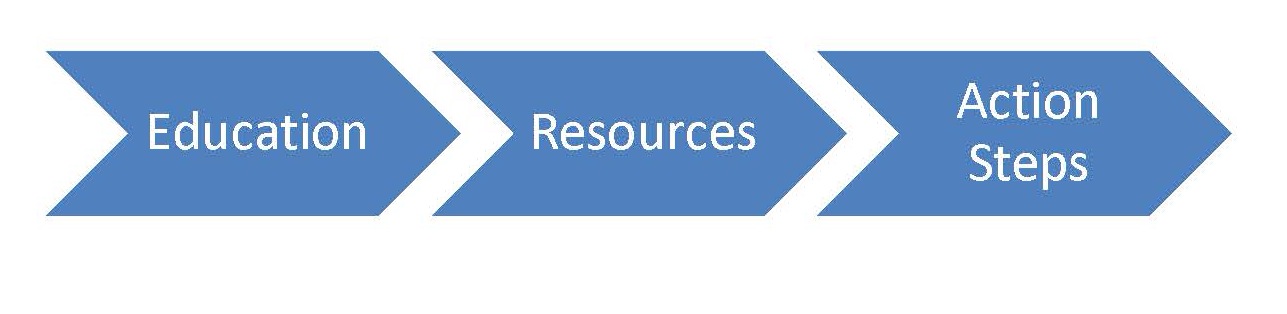
The purpose of the Education and Action blog is to provide ERA or Education, Resources and Action steps to help you put the information provided in each daily lesson into practice.

 photo

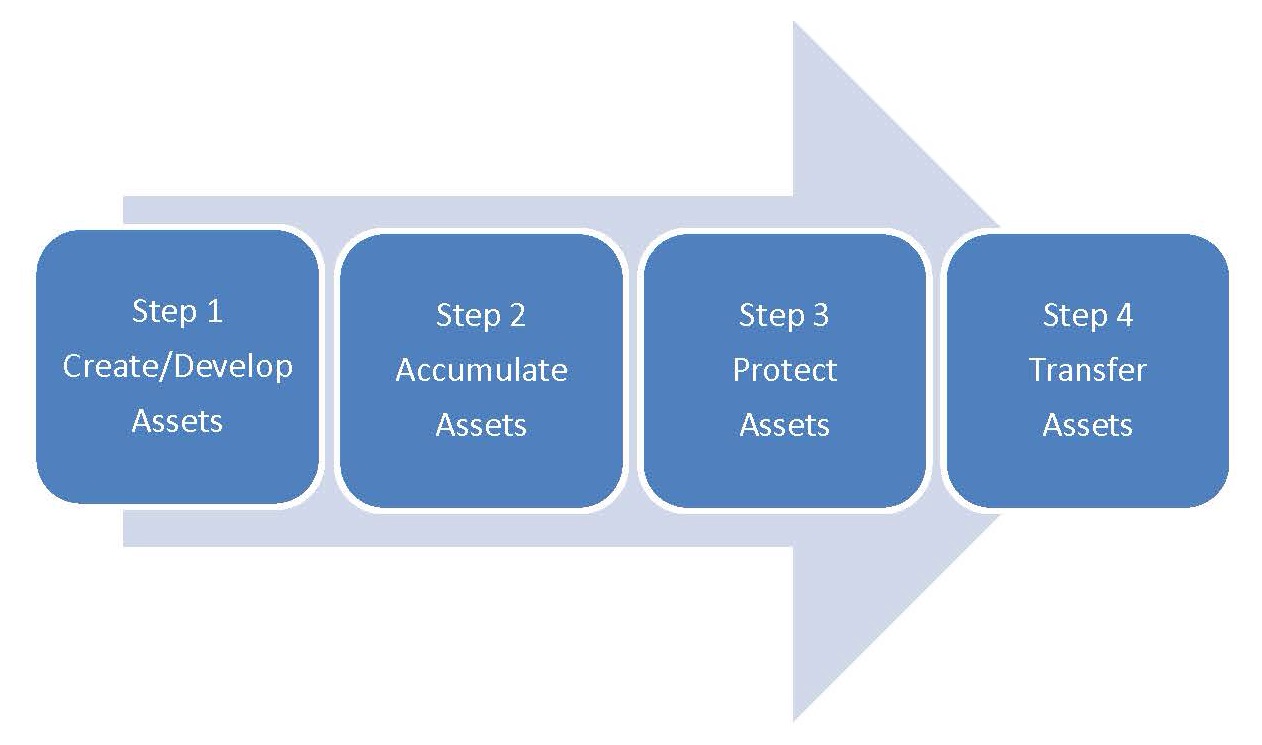
To begin, it was critical to help you see YOUR FUTURE expressed in a journey or your path to financial freedom.  The path that I am attempting to illuminate for you is the wealth- building continuum, as expressed in the following flow chart.

 photo2

Over the past 50 days, I have been teaching on Step 1 – Creating and Developing Assets.  It is important that we build a firm foundation to help you pursue your financial goals.   On Fridays, I turn my attention to the kids and teaching them valuable financial lessons that they will need to know to live a life of abundance.  Saturdays are about encouraging you to keep your eye on the prize and Sundays are  to reflect on the week’s lessons.

I hope that you will take some time to join the blog and take advantage of this free information.  This is my way to give back all that God has given to me. I appreciate your questions and feedback.

Join the blog at https://educationandactionblog.wordpress.com.

← Older posts
Newer posts →

Recent Posts

  • Never Stop Learning!
  • Lesson #83 – Financial Freedom Friday for Kids
  • Lesson #82 – Black CEO: Do More Than Save if You Want to Be Wealthy
  • Lesson #81 – Last-Minute Tax Tips to Maximize Your Savings (reposted from The Huffington Post)
  • Lesson #80 –Can Paying Your Taxes Late Affect Your Credit Score? (reposted from The Huffington Post)

Recent Comments

kenyasykes's avatarkenyasykes on Lesson #26 – Encouragement…
kenyasykes's avatarkenyasykes on Lesson #52 – The Flipside : 10…
Unknown's avatarLesson #52 – The Fli… on Lesson #52 – The Flipside : 10…
TheKnowledgeofWords's avatarcocolaelle on Lesson #26 – Encouragement…

Archives

  • September 2014
  • May 2014
  • April 2014
  • March 2014
  • February 2014
  • January 2014

Categories

  • Assets
  • Basic Personal Finance
  • Encouragement
  • Kids' Money
  • Uncategorized

Meta

  • Create account
  • Log in
  • Entries feed
  • Comments feed
  • WordPress.com

Enter your email address to follow this blog and receive notifications of new posts by email.

Join 22 other subscribers

Recent Posts

  • Never Stop Learning!
  • Lesson #83 – Financial Freedom Friday for Kids
  • Lesson #82 – Black CEO: Do More Than Save if You Want to Be Wealthy
  • Lesson #81 – Last-Minute Tax Tips to Maximize Your Savings (reposted from The Huffington Post)
  • Lesson #80 –Can Paying Your Taxes Late Affect Your Credit Score? (reposted from The Huffington Post)

Recent Comments

kenyasykes's avatarkenyasykes on Lesson #26 – Encouragement…
kenyasykes's avatarkenyasykes on Lesson #52 – The Flipside : 10…
Unknown's avatarLesson #52 – The Fli… on Lesson #52 – The Flipside : 10…
TheKnowledgeofWords's avatarcocolaelle on Lesson #26 – Encouragement…

Archives

  • September 2014
  • May 2014
  • April 2014
  • March 2014
  • February 2014
  • January 2014

Categories

  • Assets
  • Basic Personal Finance
  • Encouragement
  • Kids' Money
  • Uncategorized

Meta

  • Create account
  • Log in
  • Entries feed
  • Comments feed
  • WordPress.com

Facebook

Facebook

Create a free website or blog at WordPress.com.

Privacy & Cookies: This site uses cookies. By continuing to use this website, you agree to their use.
To find out more, including how to control cookies, see here: Cookie Policy
  • Subscribe Subscribed
    • Education and Action
    • Already have a WordPress.com account? Log in now.
    • Education and Action
    • Subscribe Subscribed
    • Sign up
    • Log in
    • Report this content
    • View site in Reader
    • Manage subscriptions
    • Collapse this bar
 

Loading Comments...