“Train up a child in the way he should go, And when he is old he will not depart from it. “ – Proverbs 22:6
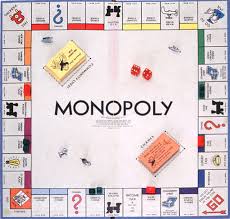
It is no coincidence that I grew up to become a Certified Public Accountant because my fascination with money began at a very young age. When I was a kid, one of the things that my family would do is play board games. One of my favorite board games was Monopoly, the quintessential game about MONEY. I’m sure that Charles Darrow, the creator of Monopoly, never envisioned how vital his board game would be to teaching the value of a dollar to the youth of America and ultimately the world. I can proudly say that I still own this board game and it continues to excite me to play it with friends.
Education:
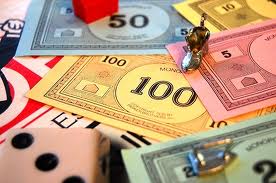
Today’s lesson will focus on Monopoly. Through the use of Monopoly money, the game teaches the value of a dollar and its PURCHASING POWER. In addition, the game teaches about life through various aspects of society and wealth, including:
- The Bank (teaches the central purpose of the banking system, to lend and exchange money)
- The Banker (the individuals who make money decisions that affect your life)
- Chance (many things in life as a result of chance)
- Community Chest (the importance of the community to your success)
- Jail (the consequences of making bad moves and decisions in life)
- Properties (how ownership creates wealth)
- Mortgaging (the cost of property ownership – evaluating mortgage options)
- Bankruptcy (the consequences of poor financial management)
- Utilities (municipal obligations)
- Infrastructure (real estate and railroads)
Later versions of the game teach about banking, the stock market, currencies, international markets, etc. As our financial world changes, the game evolves to teach the new batch of kids about the world. Never underestimate the value of games to teach critical lessons about life.
Resources:
Hasbro (maker of Monopoly) (http://www.hasbro.com/monopoly/en_us/) – Visit the site to learn about the game.
Important terms from this lesson:
|
Term |
Definition |
| Purchasing Power | The financial ability to buy products and services. |
Action Step: Play the game
 Education and Action