
After yesterday’s lesson, I received the following comment and question.
Comment: I know the depreciation due to the horrid market. That now investment property is a loss.
Question: How do we mitigate the risk if our numbers are bad?
Are you Underwater?
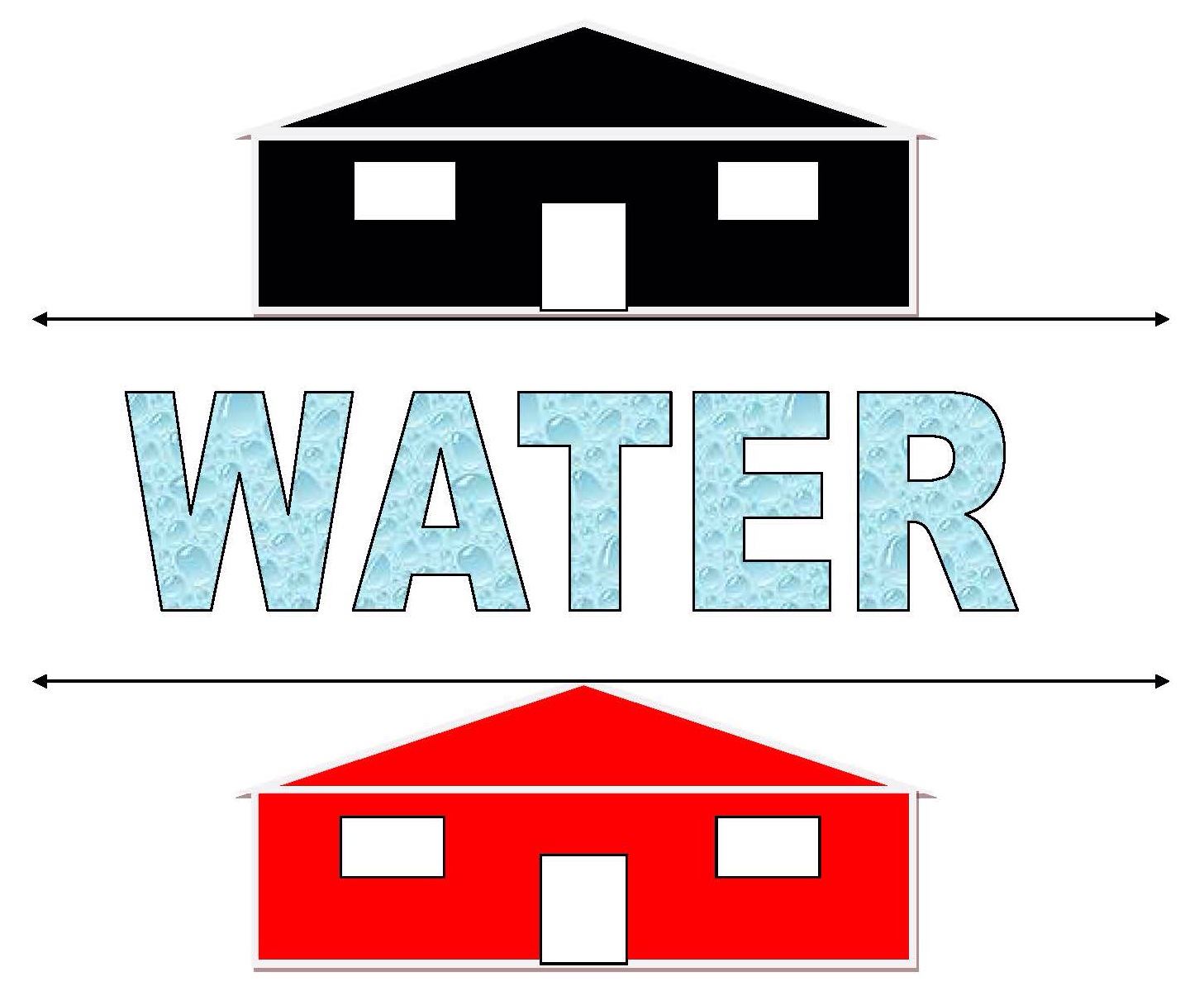
The black house is a house of equity (possibilities), the red house is house of decisions (risk mitigation). In the black house, that is what we call ,“being in the black” and your equity gives you additional flexibility like “refinancing”. The red house is self-explanatory and although I love the color red, it’s never good when it comes to “being in the red” on your home.
Education:
Yesterday, we spoke about the equity and appreciation in your home, but after the housing crash of 2008, this may no longer apply to you. The truth is that the economic crisis left many homeowners “underwater”, a condition which results when the amount that you owe on your home (mortgage) is greater than the fair market value of your home. That is just a fancy way of saying that even if you sold your home, you would still owe money to the bank. What? Yes, you could give up your home and still owe money on it. What? Yes, it’s true, but there are ways to mitigate this if you understand the strategies available to you. Let’s call this the Underwater Mitigation Strategy (UMS). First let me say that this is nothing to be embarrassed about because this affected millions of homeowners, some who have had to make tough decisions. To determine the best UMS for you, let’s review the chart below.
|
Strategy |
Pros |
Cons |
Tax Consequences |
|
Stay and Hold |
You keep the house (shelter) and wait to see if the value rebounds. An increase in value can restore your equity. This delays the UMS. | You may never recover your lost equity, you are paying for something which lacks value, refinancing usually is not available until equity is restored. | None |
|
Loan Modification |
The lender helps you stay in your home. Government offers programs to assist you like the Home Affordable Modification Program (HAMP) | Requires approval and the lender may not be willing to work with you. | None for now |
|
Refinance |
Same as Loan Modification | May not be a good option for homeowners with negative equity. | |
|
Sell or short sale (no bank approval) |
Get rid of the cause of your stress. | You must find a new place to live; you still owe money to the bank (difference between what you received on the home and the mortgage); May trigger COD; Negative affect to your credit | COD Income MAY result in a tax bill in the worst possible time (income without cash) |
|
Walk away (deed in lieu) |
Get rid of the cause of your stress by giving the house back to the bank, but you walk away owing nothing else. | You must find a new place to live; Requires bank or lender approval which is hard to get; No real impact on credit | None |
|
Foreclosure |
You get to stay in the house during the foreclosure process. | You must find a new place to live; you still owe money to the bank (difference between what you received on the home and the mortgage); May trigger COD; Negative affect to your credit | COD Income MAY result in a tax bill in the worst possible time (income without cash) |
|
Bankruptcy |
You may be able to stay in your home. Gives you additional time to make a decision. | Won’t erase mortgage debt; may eliminate other debts which will allow you to afford your mortgage; | None for now |
Resources:
Makinghomeafforable.gov – The Making Home Affordable Program (MHA) ® is a critical part of the Obama Administration’s broad strategy to help homeowners avoid foreclosure, stabilize the country’s housing market, and improve the nation’s economy.
Important terms from this lesson:
|
Term |
Definition |
| Underwater Mortgage or Negative Equity | Mortgage balance exceeds the current market value of the loan. |
| Short Sale | Selling the home for less than then the mortgage balance. |
| Deed in Lieu | Strategy which allows you (upon approval) to simply give the home (deed) back to the lender and walk away fairly unscathed. |
| Cancellation of Debt (COD) Income | Phantom, but potentially taxable income which results when you sell the home for less than the mortgage. The difference between the mortgage balance and the amount received on the short sale OR for foreclosures, the entire unpaid mortgage. |
Action Step: Find out if you are underwater.
Before you can address it, you must first diagnosis it. Pull up yesterday’s worksheet on Equity and Appreciation. Drop in your numbers to determine if you are underwater. If you are, then go through the UMS chart and determine which option or options may be best for you.
Go to http://www.makinghomeaffordable.gov to see if you qualify for a program.
 Education and Action